


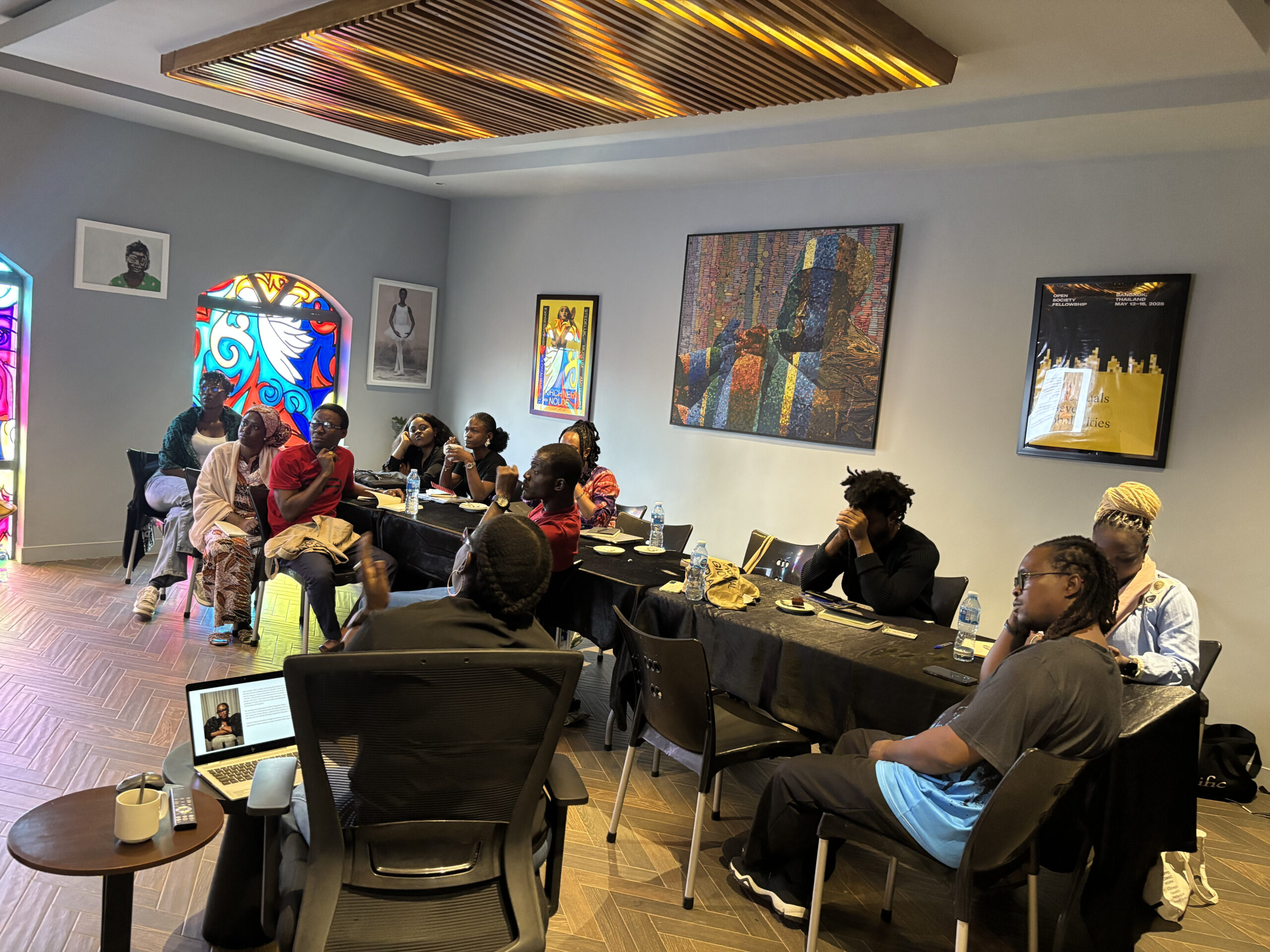
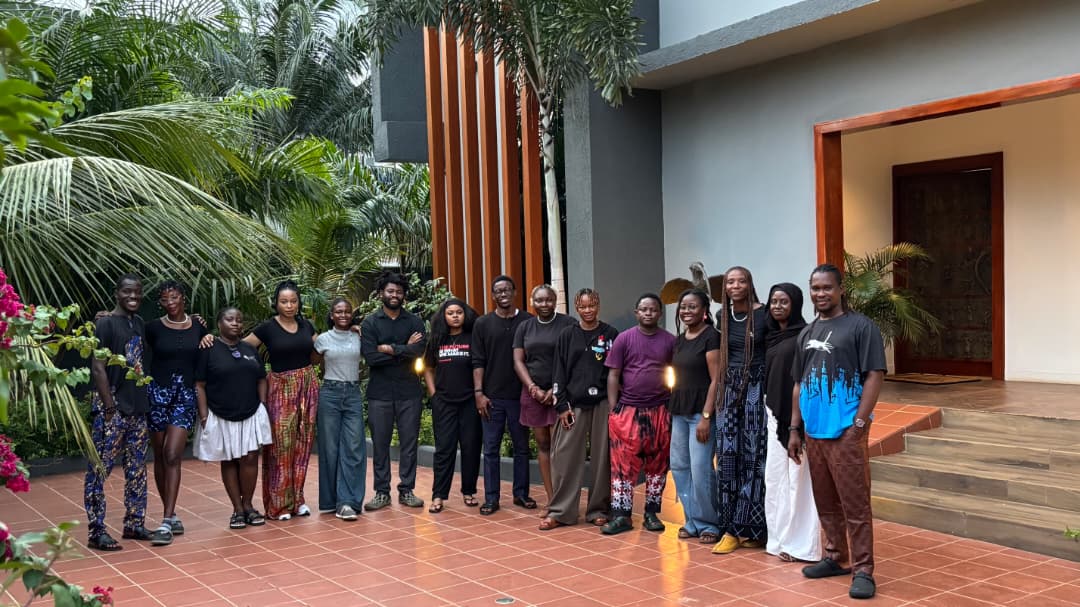
From June 22nd – 28th, 2026, leading Nigerian art foundation Angels and Muse convened 13 curators, researchers, and cultural workers for a residential curatorial intensive in Benin City, Nigeria, with support from Gwaertler Stiftung.
Titled ‘On Marginal Regions, Displacement and Heritage in Contemporary Art,’ the intensive responded to the imbalance in representation within narratives of contemporary African art. Even as narratives on contemporary African art gain prominence in the global art landscape, metropolitan centres often overshadow the histories, practices, and cultural infrastructures of marginal regions and communities. “The Curatorial Intensive at the Black Muse Residence was born out of a critical need to create spaces where curators can meet, exchange ideas, and fundamentally rethink our approaches to curatorial practice,” said Roli O’tsemaye, Programme Director, Angels and Muse.
The intensive brought together a broad spectrum of curators, researchers, and cultural practitioners interested in rethinking curatorial practice in Africa around marginalized demographics. Participants included: Aderemi Adegbite, Iwinosa Oyakhire, Joseph Nduku, Ufuoma Ogbemuje, Angel Akua, Joy Banks, Ruona Idjenuoghua, Phillip Chikioke Izunegba, Paul Ayihawu, Mary Osaretin, Michelle Umobong, Habiba Malumfashi, and Frances Akinkuoye.
Hosted at Black Muse, Angels and Muse’s residency facility in Benin City, artist-curator and cultural practitioner R. Esinam Damalie served as lead facilitator. With a practice rooted in collaborative methodologies, Damalie works between contemporary art, research, heritage, and community engagement. As part of her role as lead facilitator, she engaged the participants in imagining alternative ways of curating from Africa through critical discourse and practical exercises. “I wanted the exercises to leave participants not only with intellectual understanding but with embodied experiences that would stay with them long after the sessions ended,” she said. “I believe this is where much of our formal education often falls short: we learn concepts, but rarely embody them.”
Guest facilitators included: writer-curator and Program Director at Angels and Muse, Roli O’tsemaye; Kumasi-based curator, critic, and educator, Kwasi Ohene-Ayah, Ph.D.; and Lynhan Balatbat-Helbock, curator and researcher at S A V V Y Contemporary Berlin. O’tsemaye introduced the cohort to “Curatorial Writing using Curatorial Embodiment as a Case Study.” Ohene-Ayah’s topic centered on “Indigenous Knowledge as Curatorial Methodology.” Meanwhile, Balatbat-Helbock’s role as guest facilitator saw her take on the paradoxes arising from the disparities between curatorial methodologies in the global North and South.
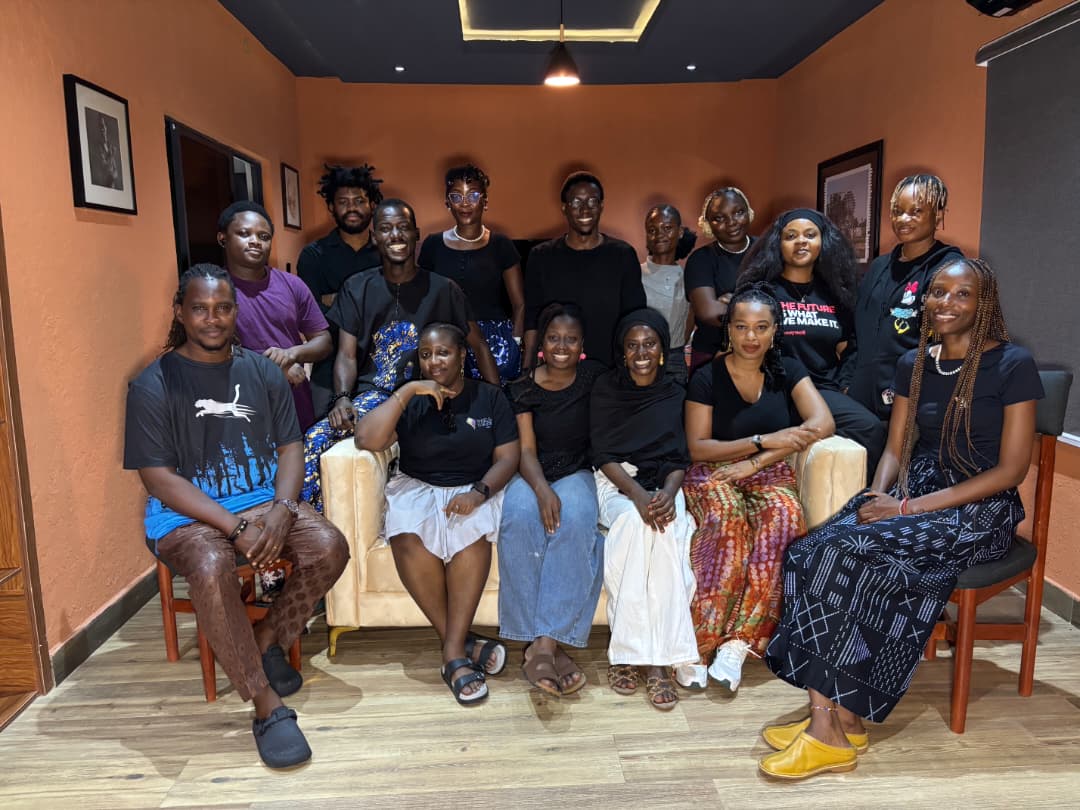
‘On Marginal Regions, Displacement and Heritage in Contemporary Art’ is yet another testament to Angels and Muse’s commitment to advancing the frontiers of contemporary African art, literature, and cultural discourse. “Central to this intensive is the vision of our founder, Victor Ehikhamenor, who has always expressed the need for African curators to represent and feature prominently on the global stage,” O’tsemaye said. Reflecting on the intensive, Damalie said: “The conversations became spaces where knowledge was generated together rather than delivered from one person to another.” By this brilliant cohort together, Angels and Muse lays the groundwork for a more inclusive and equitable African art ecosystem.